Buy inotherwords-project.eu ?
We are moving the project
inotherwords-project.eu .
Are you interested in purchasing the domain
inotherwords-project.eu ?
domain@kv-gmbh.de · 0541-91531010
Buy inotherwords-project.eu ?
Why are thermoelectric refrigerators not used?
Thermoelectric refrigerators are not commonly used for large-scale refrigeration purposes because they are less energy-efficient compared to traditional compressor-based refrigeration systems. They also have limited cooling capacity and are not suitable for cooling large volumes of food or other perishable items. Additionally, thermoelectric refrigerators tend to be more expensive to manufacture and maintain, making them less cost-effective for commercial or industrial applications. **
Which sensor is needed for this thermoelectric generator? What component is it?
The sensor needed for a thermoelectric generator is a temperature sensor. This component is essential for monitoring the temperature difference between the hot and cold sides of the thermoelectric module. By accurately measuring this temperature difference, the thermoelectric generator can efficiently convert heat into electricity. The temperature sensor helps ensure that the system operates at its optimal performance level. **
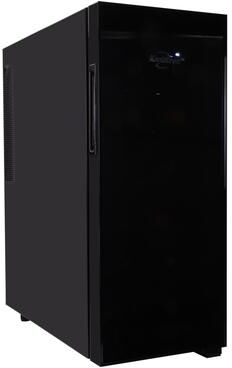
Similar search terms for Thermoelectric
Top-Angebote
Products related to Thermoelectric:
-
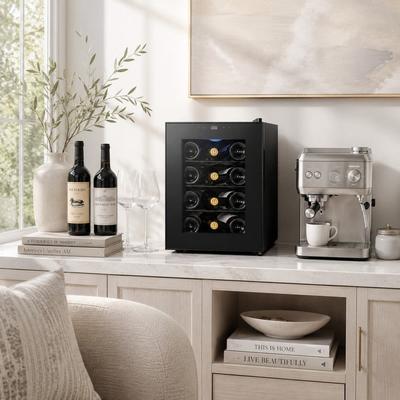
Yeego 10.2 inch 8-Bottle Thermoelectric Wine Cooler, Countertop Refrigerator with UV-Protected GlassStore and showcase your favorite wines with this compact 8-Bottle Thermoelectric Wine Cooler. Designed for countertops, apartments, offices, and home bars, it features quiet, vibration-free thermoelectric cooling to help preserve wine flavor and aroma.176,99 $*Shipping: 0,00 $Secure redirect to the provider
-
Yeego 17.7 in. 2.47 Cu. Ft. Quiet Mini Thermoelectric Fridge, Single Door Compact RefrigeratorKeep beverages and snacks conveniently chilled with this compact 2.47 cu. ft. thermoelectric mini fridge. Quiet, vibration-free semiconductor cooling makes it a practical choice for bedrooms, dorms, offices, apartments, and entertainment spaces.227,39 $*Shipping: 0,00 $Secure redirect to the provider



-
Does globalization destroy culture?
Globalization can have both positive and negative impacts on culture. On one hand, it can lead to the spread of ideas, values, and traditions across borders, promoting cultural exchange and understanding. However, it can also result in the homogenization of cultures, as Western ideals and consumerism become dominant, potentially eroding local traditions and identities. Ultimately, the impact of globalization on culture depends on how it is managed and whether efforts are made to preserve and celebrate diverse cultural expressions. **
-
What impact does globalization have on the loss of culture?
Globalization can lead to the loss of culture by promoting the spread of dominant global cultures, which can overshadow and diminish the uniqueness of local traditions and customs. As globalized media, technology, and consumer products become more widespread, they can erode traditional cultural practices and values. Additionally, the homogenizing effect of globalization can lead to the loss of indigenous languages, traditional knowledge, and cultural diversity. This can result in a loss of identity and a weakening of cultural heritage for many communities around the world. **
-
Is German culture identifiable beyond language?
Yes, German culture is identifiable beyond language. German culture is known for its rich history, traditions, and customs that are distinct from other cultures. From its famous Oktoberfest celebrations to its traditional folk music and dance, German culture is easily recognizable. Additionally, German cuisine, art, and architecture also play a significant role in shaping the country's cultural identity. Overall, German culture is identifiable through a variety of cultural elements beyond just the German language. **
-
Why does a culture of non-communication establish itself?
A culture of non-communication can establish itself for a variety of reasons. One common reason is fear of conflict or confrontation, which can lead people to avoid difficult conversations and instead choose to remain silent. Additionally, a lack of trust or a fear of judgment can also contribute to a culture of non-communication, as individuals may feel hesitant to share their thoughts and feelings. In some cases, organizational structures and hierarchies can also discourage open communication, leading to a culture of silence and non-disclosure. Overall, a culture of non-communication can develop when there is a lack of psychological safety and trust within a group or organization. **
Is cultural globalization a threat to the original culture of each country?
Cultural globalization can be seen as a threat to the original culture of each country in some ways. As global media and technology spread, there is a risk of homogenizing cultures and diluting the unique traditions and customs of each country. However, cultural globalization also provides an opportunity for the exchange and appreciation of diverse cultures, leading to a more interconnected and inclusive global society. It is important for countries to actively preserve and promote their original culture while also embracing the positive aspects of cultural globalization. **
What is exaggerated body language in communication?
Exaggerated body language in communication refers to the use of overly dramatic or intense gestures, facial expressions, or movements to convey a message. This can include gestures that are larger or more pronounced than necessary, facial expressions that are exaggerated beyond what is typical, or movements that are overly theatrical. Exaggerated body language can sometimes be perceived as insincere or over-the-top, and may distract from the intended message. It is important to use body language that is authentic and appropriate to effectively communicate with others. **
Top-Angebote
Products related to Thermoelectric:
-
Yeego 10.2 inch 8-Bottle Thermoelectric Wine Cooler, Countertop Refrigerator with UV-Protected GlassStore and showcase your favorite wines with this compact 8-Bottle Thermoelectric Wine Cooler. Designed for countertops, apartments, offices, and home bars, it features quiet, vibration-free thermoelectric cooling to help preserve wine flavor and aroma.176,99 $*Shipping: 0,00 $Secure redirect to the provider
-
Why are thermoelectric refrigerators not used?
Thermoelectric refrigerators are not commonly used for large-scale refrigeration purposes because they are less energy-efficient compared to traditional compressor-based refrigeration systems. They also have limited cooling capacity and are not suitable for cooling large volumes of food or other perishable items. Additionally, thermoelectric refrigerators tend to be more expensive to manufacture and maintain, making them less cost-effective for commercial or industrial applications. **
-
Which sensor is needed for this thermoelectric generator? What component is it?
The sensor needed for a thermoelectric generator is a temperature sensor. This component is essential for monitoring the temperature difference between the hot and cold sides of the thermoelectric module. By accurately measuring this temperature difference, the thermoelectric generator can efficiently convert heat into electricity. The temperature sensor helps ensure that the system operates at its optimal performance level. **
-
Does globalization destroy culture?
Globalization can have both positive and negative impacts on culture. On one hand, it can lead to the spread of ideas, values, and traditions across borders, promoting cultural exchange and understanding. However, it can also result in the homogenization of cultures, as Western ideals and consumerism become dominant, potentially eroding local traditions and identities. Ultimately, the impact of globalization on culture depends on how it is managed and whether efforts are made to preserve and celebrate diverse cultural expressions. **
-
What impact does globalization have on the loss of culture?
Globalization can lead to the loss of culture by promoting the spread of dominant global cultures, which can overshadow and diminish the uniqueness of local traditions and customs. As globalized media, technology, and consumer products become more widespread, they can erode traditional cultural practices and values. Additionally, the homogenizing effect of globalization can lead to the loss of indigenous languages, traditional knowledge, and cultural diversity. This can result in a loss of identity and a weakening of cultural heritage for many communities around the world. **
Similar search terms for Thermoelectric
-
Yeego 17.7 in. 2.47 Cu. Ft. Quiet Mini Thermoelectric Fridge, Single Door Compact RefrigeratorKeep beverages and snacks conveniently chilled with this compact 2.47 cu. ft. thermoelectric mini fridge. Quiet, vibration-free semiconductor cooling makes it a practical choice for bedrooms, dorms, offices, apartments, and entertainment spaces.227,39 $*Shipping: 0,00 $Secure redirect to the provider
-
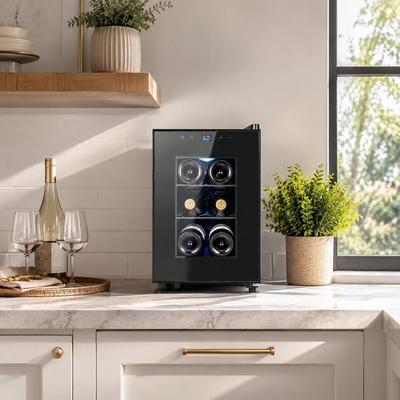
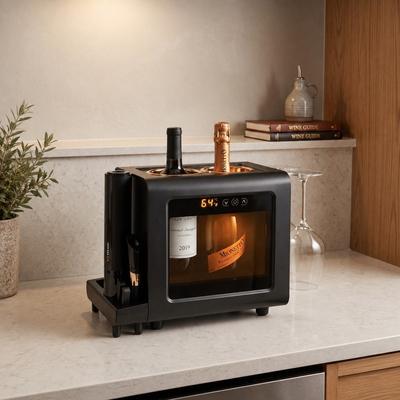
Ca'Lefort 2-Bottle Electric Wine Chiller Gift Set, Thermoelectric Cooler with Electric Opener, Vacuum SealerEnjoy perfectly chilled wine with the Ca'Lefort 2-Bottle Electric Wine Chiller, designed for red, white, rosé, and sparkling wines.Its thermoelectric cooling system provides precise 46–65°F temperature control with quiet operation and an easy-to-read…311,49 $*Shipping: 0,00 $Secure redirect to the provider
-
Is German culture identifiable beyond language?
Yes, German culture is identifiable beyond language. German culture is known for its rich history, traditions, and customs that are distinct from other cultures. From its famous Oktoberfest celebrations to its traditional folk music and dance, German culture is easily recognizable. Additionally, German cuisine, art, and architecture also play a significant role in shaping the country's cultural identity. Overall, German culture is identifiable through a variety of cultural elements beyond just the German language. **
-
Why does a culture of non-communication establish itself?
A culture of non-communication can establish itself for a variety of reasons. One common reason is fear of conflict or confrontation, which can lead people to avoid difficult conversations and instead choose to remain silent. Additionally, a lack of trust or a fear of judgment can also contribute to a culture of non-communication, as individuals may feel hesitant to share their thoughts and feelings. In some cases, organizational structures and hierarchies can also discourage open communication, leading to a culture of silence and non-disclosure. Overall, a culture of non-communication can develop when there is a lack of psychological safety and trust within a group or organization. **
-
Is cultural globalization a threat to the original culture of each country?
Cultural globalization can be seen as a threat to the original culture of each country in some ways. As global media and technology spread, there is a risk of homogenizing cultures and diluting the unique traditions and customs of each country. However, cultural globalization also provides an opportunity for the exchange and appreciation of diverse cultures, leading to a more interconnected and inclusive global society. It is important for countries to actively preserve and promote their original culture while also embracing the positive aspects of cultural globalization. **
-
What is exaggerated body language in communication?
Exaggerated body language in communication refers to the use of overly dramatic or intense gestures, facial expressions, or movements to convey a message. This can include gestures that are larger or more pronounced than necessary, facial expressions that are exaggerated beyond what is typical, or movements that are overly theatrical. Exaggerated body language can sometimes be perceived as insincere or over-the-top, and may distract from the intended message. It is important to use body language that is authentic and appropriate to effectively communicate with others. **
* All prices are inclusive of VAT and, if applicable, plus shipping costs. The offer information is based on the details provided by the respective shop and is updated through automated processes. Real-time updates do not occur, so deviations can occur in individual cases. ** Note: Parts of this content were created by AI.