Buy inotherwords-project.eu ?
We are moving the project
inotherwords-project.eu .
Are you interested in purchasing the domain
inotherwords-project.eu ?
domain@kv-gmbh.de · 0541-91531010
Buy inotherwords-project.eu ?
Does globalization destroy culture?
Globalization can have both positive and negative impacts on culture. On one hand, it can lead to the spread of ideas, values, and traditions across borders, promoting cultural exchange and understanding. However, it can also result in the homogenization of cultures, as Western ideals and consumerism become dominant, potentially eroding local traditions and identities. Ultimately, the impact of globalization on culture depends on how it is managed and whether efforts are made to preserve and celebrate diverse cultural expressions. **
Is dishes residual waste?
No, dishes are not considered residual waste. Residual waste typically refers to non-recyclable and non-compostable waste that is left over after recycling and composting efforts have been made. Dishes, on the other hand, can often be reused, recycled, or composted depending on the material they are made of. It is important to properly dispose of dishes in the appropriate waste stream to minimize environmental impact. **
Similar search terms for Residual
Top-Angebote
Products related to Residual:
-
Are diapers residual waste?
Diapers are considered residual waste because they are not easily recyclable or compostable. Once used, diapers are typically disposed of in landfills where they take a long time to decompose due to their synthetic materials. Proper disposal of diapers is important to minimize their impact on the environment and reduce the amount of waste sent to landfills. **
-
What is residual waste?
Residual waste refers to the waste that remains after recycling and composting processes have been completed. This type of waste includes materials that cannot be recycled or composted, such as certain plastics, ceramics, and other non-biodegradable items. Residual waste is typically sent to landfills or incinerators for disposal. Efforts to reduce residual waste include promoting recycling and composting, as well as finding alternative methods for managing and disposing of non-recyclable and non-compostable materials. **
-
Which residual-current circuit breaker?
The residual-current circuit breaker, also known as an RCCB, is a device designed to quickly disconnect a circuit when it detects an imbalance in the flow of electricity. This imbalance could be caused by a fault in the circuit or by current leakage, which could pose a risk of electric shock or fire. RCCBs are an important safety feature in electrical systems, providing protection against electrical hazards and ensuring the safety of individuals and property. **
-
Is residual waste still sorted?
Yes, residual waste is still sorted even though it is considered non-recyclable or non-compostable. This sorting process helps to recover any remaining materials that can be recycled or used for energy recovery. By sorting residual waste, we can minimize the amount of waste sent to landfills and maximize resource recovery. Additionally, sorting residual waste helps to reduce environmental impact and promote a more sustainable waste management system. **
What is a residual body?
A residual body is a structure found in certain types of cells, particularly in the process of apoptosis (programmed cell death). It is formed when a cell is undergoing apoptosis and its contents are being broken down and recycled. The residual body contains the remnants of the cell's organelles and other cellular components that have not been completely degraded. Eventually, the residual body is removed by other cells in the body, such as macrophages, through a process called phagocytosis. **
What happens to residual waste?
Residual waste, also known as non-recyclable or non-hazardous waste, is typically sent to a landfill or incinerator for disposal. In landfills, the waste is buried and compacted, where it will decompose over time. In incinerators, the waste is burned at high temperatures, reducing its volume and producing energy in the form of heat and electricity. Both methods have environmental impacts and contribute to the management of waste in different ways. Efforts to reduce residual waste through recycling, composting, and waste-to-energy technologies are ongoing to minimize the amount of waste sent to landfills and incinerators. **
Top-Angebote
Products related to Residual:
-
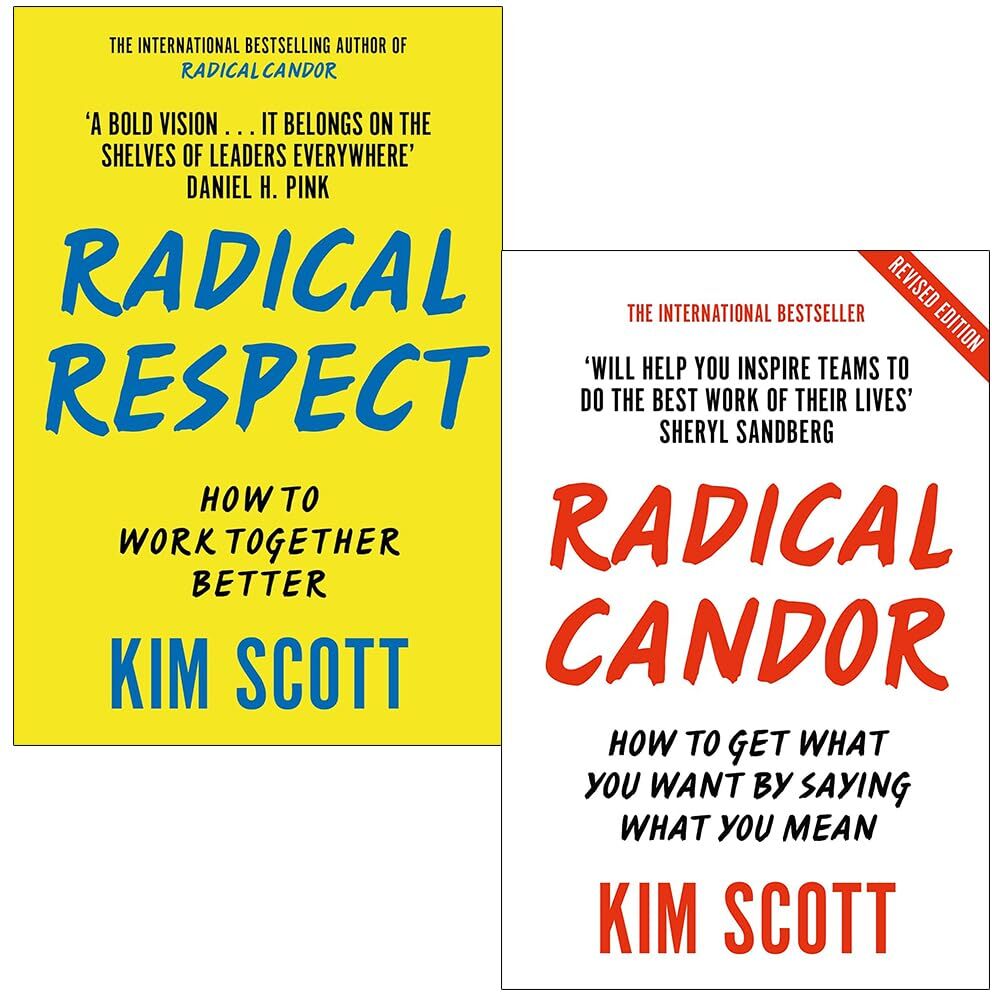
MACMILLAN Kim Scott Collection 2 Books Set Radical Respect & Radical Candor – Leadership, Communication & Workplace Culture GuidesThe Kim Scott Collection – 2 Books Set brings together two transformative leadership bestsellers: Radical Respect and Radical Candor. Written by acclaimed workplace expert Kim Scott, these books offer practical, honest, and empowering guidance for building stronger teams, better communication, and healthier workplace cultures. In Radical Candor, Scott introduces her now-famous framework:Care Personally + Challenge Directly.Learn how to deliver feedback effectively, build trust, and lead with clarity without becoming overly harsh or avoiding difficult conversations. In Radical Respect, Scott expands on inclusion, fairness, accountability and anti-bullying frameworks—showing readers how to build workplaces rooted in dignity, psychological safety, and genuine respect. Together, these books provide a complete roadmap for leaders, managers, HR teams and anyone who wants to communicate better, lead with courage, and create workplaces where people thrive.6,99 £*Shipping: 2,99 £Secure redirect to the provider
-
Does globalization destroy culture?
Globalization can have both positive and negative impacts on culture. On one hand, it can lead to the spread of ideas, values, and traditions across borders, promoting cultural exchange and understanding. However, it can also result in the homogenization of cultures, as Western ideals and consumerism become dominant, potentially eroding local traditions and identities. Ultimately, the impact of globalization on culture depends on how it is managed and whether efforts are made to preserve and celebrate diverse cultural expressions. **
-
Is dishes residual waste?
No, dishes are not considered residual waste. Residual waste typically refers to non-recyclable and non-compostable waste that is left over after recycling and composting efforts have been made. Dishes, on the other hand, can often be reused, recycled, or composted depending on the material they are made of. It is important to properly dispose of dishes in the appropriate waste stream to minimize environmental impact. **
-
Are diapers residual waste?
Diapers are considered residual waste because they are not easily recyclable or compostable. Once used, diapers are typically disposed of in landfills where they take a long time to decompose due to their synthetic materials. Proper disposal of diapers is important to minimize their impact on the environment and reduce the amount of waste sent to landfills. **
-
What is residual waste?
Residual waste refers to the waste that remains after recycling and composting processes have been completed. This type of waste includes materials that cannot be recycled or composted, such as certain plastics, ceramics, and other non-biodegradable items. Residual waste is typically sent to landfills or incinerators for disposal. Efforts to reduce residual waste include promoting recycling and composting, as well as finding alternative methods for managing and disposing of non-recyclable and non-compostable materials. **
Similar search terms for Residual
-
Which residual-current circuit breaker?
The residual-current circuit breaker, also known as an RCCB, is a device designed to quickly disconnect a circuit when it detects an imbalance in the flow of electricity. This imbalance could be caused by a fault in the circuit or by current leakage, which could pose a risk of electric shock or fire. RCCBs are an important safety feature in electrical systems, providing protection against electrical hazards and ensuring the safety of individuals and property. **
-
Is residual waste still sorted?
Yes, residual waste is still sorted even though it is considered non-recyclable or non-compostable. This sorting process helps to recover any remaining materials that can be recycled or used for energy recovery. By sorting residual waste, we can minimize the amount of waste sent to landfills and maximize resource recovery. Additionally, sorting residual waste helps to reduce environmental impact and promote a more sustainable waste management system. **
-
What is a residual body?
A residual body is a structure found in certain types of cells, particularly in the process of apoptosis (programmed cell death). It is formed when a cell is undergoing apoptosis and its contents are being broken down and recycled. The residual body contains the remnants of the cell's organelles and other cellular components that have not been completely degraded. Eventually, the residual body is removed by other cells in the body, such as macrophages, through a process called phagocytosis. **
-
What happens to residual waste?
Residual waste, also known as non-recyclable or non-hazardous waste, is typically sent to a landfill or incinerator for disposal. In landfills, the waste is buried and compacted, where it will decompose over time. In incinerators, the waste is burned at high temperatures, reducing its volume and producing energy in the form of heat and electricity. Both methods have environmental impacts and contribute to the management of waste in different ways. Efforts to reduce residual waste through recycling, composting, and waste-to-energy technologies are ongoing to minimize the amount of waste sent to landfills and incinerators. **
* All prices are inclusive of VAT and, if applicable, plus shipping costs. The offer information is based on the details provided by the respective shop and is updated through automated processes. Real-time updates do not occur, so deviations can occur in individual cases. ** Note: Parts of this content were created by AI.