Buy inotherwords-project.eu ?
We are moving the project
inotherwords-project.eu .
Are you interested in purchasing the domain
inotherwords-project.eu ?
domain@kv-gmbh.de · 0541-91531010
Buy inotherwords-project.eu ?
Is myopia increasing?
Yes, there is evidence to suggest that myopia is increasing globally. Studies have shown that the prevalence of myopia has been rising, particularly in urban areas and among younger populations. Factors such as increased screen time, less time spent outdoors, and genetic predisposition have been linked to the increasing rates of myopia. This trend has raised concerns about the potential impact on public health and the need for interventions to address the growing prevalence of myopia. **
Can myopia be cured?
Myopia, or nearsightedness, cannot be cured in the traditional sense. However, it can be effectively managed and corrected through various methods such as prescription glasses, contact lenses, or refractive surgery like LASIK. Additionally, some studies have shown that certain eye exercises and outdoor activities may help slow the progression of myopia in children. While myopia may not be curable, it can be effectively managed to improve vision and quality of life. **
Similar search terms for Myopia
Top-Angebote
Products related to Myopia:
-
How quickly does myopia progress?
The progression of myopia can vary from person to person. In some cases, myopia can progress rapidly during childhood and adolescence, while in others it may progress more slowly over time. Factors such as genetics, age of onset, and environmental factors like excessive near work or lack of outdoor time can influence the rate of progression. It is important to monitor myopia regularly with an eye care professional to track any changes and determine the best course of action to manage its progression. **
-
How fast does myopia progress?
The progression of myopia can vary from person to person. In some cases, myopia can progress rapidly, especially during childhood and teenage years. Factors such as genetics, environmental factors, and lifestyle choices can influence the rate of progression. It is important to have regular eye exams to monitor the progression of myopia and to discuss treatment options with an eye care professional. **
-
Does myopia increase through heredity?
Myopia, or nearsightedness, can be influenced by heredity. Research has shown that children with one or both parents who have myopia are more likely to develop myopia themselves. The risk of developing myopia increases if both parents are nearsighted. However, while heredity can play a role in the development of myopia, environmental factors such as excessive near work and lack of outdoor time also contribute to its progression. Therefore, it is important to consider both genetic and environmental factors when addressing myopia. **
-
Can myopia really be cured?
Myopia, or nearsightedness, can be managed and corrected through various methods such as glasses, contact lenses, or refractive surgery like LASIK. However, there is currently no permanent cure for myopia. Some studies have shown that certain treatments like orthokeratology (corneal reshaping lenses) or atropine eye drops may slow the progression of myopia in children, but these are not considered cures. It's important to consult with an eye care professional to discuss the best options for managing myopia. **
How can myopia and strabismus be treated?
Myopia can be treated with prescription eyeglasses or contact lenses to correct the refractive error. In some cases, refractive surgery such as LASIK can also be an option. Strabismus can be treated with eyeglasses, vision therapy, or in more severe cases, surgery to correct the alignment of the eyes. It is important to consult with an eye care professional to determine the best treatment plan for each individual case. **
How can contact lenses be used for myopia?
Contact lenses can be used for myopia by correcting the refractive error in the eye, which causes distant objects to appear blurry. The contact lenses are designed to focus light directly on the retina, allowing the person to see clearly. They provide a non-invasive and convenient way to correct myopia compared to glasses. Additionally, contact lenses can offer a wider field of vision and eliminate issues such as reflections and distortions that may occur with glasses. **
Top-Angebote
Products related to Myopia:
-
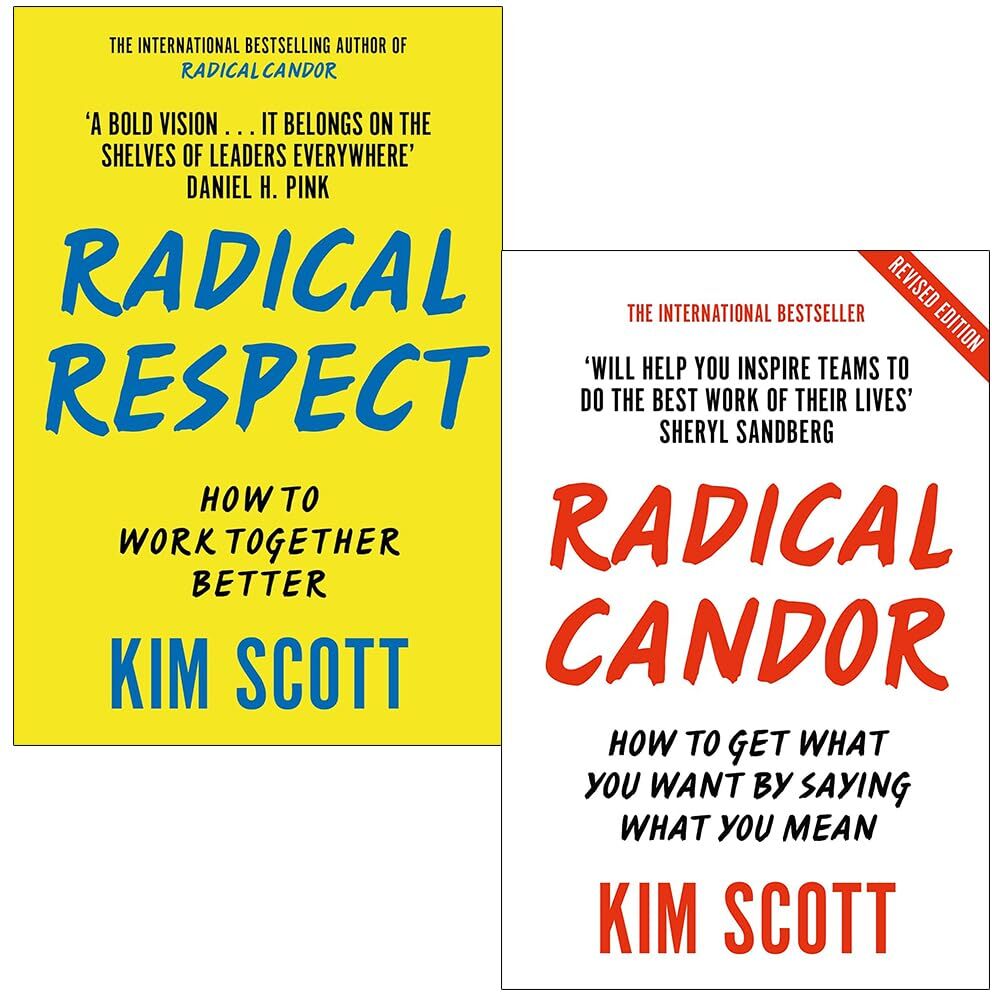
MACMILLAN Kim Scott Collection 2 Books Set Radical Respect & Radical Candor – Leadership, Communication & Workplace Culture GuidesThe Kim Scott Collection – 2 Books Set brings together two transformative leadership bestsellers: Radical Respect and Radical Candor. Written by acclaimed workplace expert Kim Scott, these books offer practical, honest, and empowering guidance for building stronger teams, better communication, and healthier workplace cultures. In Radical Candor, Scott introduces her now-famous framework:Care Personally + Challenge Directly.Learn how to deliver feedback effectively, build trust, and lead with clarity without becoming overly harsh or avoiding difficult conversations. In Radical Respect, Scott expands on inclusion, fairness, accountability and anti-bullying frameworks—showing readers how to build workplaces rooted in dignity, psychological safety, and genuine respect. Together, these books provide a complete roadmap for leaders, managers, HR teams and anyone who wants to communicate better, lead with courage, and create workplaces where people thrive.6,99 £*Shipping: 2,99 £Secure redirect to the provider
-
Is myopia increasing?
Yes, there is evidence to suggest that myopia is increasing globally. Studies have shown that the prevalence of myopia has been rising, particularly in urban areas and among younger populations. Factors such as increased screen time, less time spent outdoors, and genetic predisposition have been linked to the increasing rates of myopia. This trend has raised concerns about the potential impact on public health and the need for interventions to address the growing prevalence of myopia. **
-
Can myopia be cured?
Myopia, or nearsightedness, cannot be cured in the traditional sense. However, it can be effectively managed and corrected through various methods such as prescription glasses, contact lenses, or refractive surgery like LASIK. Additionally, some studies have shown that certain eye exercises and outdoor activities may help slow the progression of myopia in children. While myopia may not be curable, it can be effectively managed to improve vision and quality of life. **
-
How quickly does myopia progress?
The progression of myopia can vary from person to person. In some cases, myopia can progress rapidly during childhood and adolescence, while in others it may progress more slowly over time. Factors such as genetics, age of onset, and environmental factors like excessive near work or lack of outdoor time can influence the rate of progression. It is important to monitor myopia regularly with an eye care professional to track any changes and determine the best course of action to manage its progression. **
-
How fast does myopia progress?
The progression of myopia can vary from person to person. In some cases, myopia can progress rapidly, especially during childhood and teenage years. Factors such as genetics, environmental factors, and lifestyle choices can influence the rate of progression. It is important to have regular eye exams to monitor the progression of myopia and to discuss treatment options with an eye care professional. **
Similar search terms for Myopia
-
Does myopia increase through heredity?
Myopia, or nearsightedness, can be influenced by heredity. Research has shown that children with one or both parents who have myopia are more likely to develop myopia themselves. The risk of developing myopia increases if both parents are nearsighted. However, while heredity can play a role in the development of myopia, environmental factors such as excessive near work and lack of outdoor time also contribute to its progression. Therefore, it is important to consider both genetic and environmental factors when addressing myopia. **
-
Can myopia really be cured?
Myopia, or nearsightedness, can be managed and corrected through various methods such as glasses, contact lenses, or refractive surgery like LASIK. However, there is currently no permanent cure for myopia. Some studies have shown that certain treatments like orthokeratology (corneal reshaping lenses) or atropine eye drops may slow the progression of myopia in children, but these are not considered cures. It's important to consult with an eye care professional to discuss the best options for managing myopia. **
-
How can myopia and strabismus be treated?
Myopia can be treated with prescription eyeglasses or contact lenses to correct the refractive error. In some cases, refractive surgery such as LASIK can also be an option. Strabismus can be treated with eyeglasses, vision therapy, or in more severe cases, surgery to correct the alignment of the eyes. It is important to consult with an eye care professional to determine the best treatment plan for each individual case. **
-
How can contact lenses be used for myopia?
Contact lenses can be used for myopia by correcting the refractive error in the eye, which causes distant objects to appear blurry. The contact lenses are designed to focus light directly on the retina, allowing the person to see clearly. They provide a non-invasive and convenient way to correct myopia compared to glasses. Additionally, contact lenses can offer a wider field of vision and eliminate issues such as reflections and distortions that may occur with glasses. **
* All prices are inclusive of VAT and, if applicable, plus shipping costs. The offer information is based on the details provided by the respective shop and is updated through automated processes. Real-time updates do not occur, so deviations can occur in individual cases. ** Note: Parts of this content were created by AI.