Buy inotherwords-project.eu ?
We are moving the project
inotherwords-project.eu .
Are you interested in purchasing the domain
inotherwords-project.eu ?
domain@kv-gmbh.de · 0541-91531010
Buy inotherwords-project.eu ?
Is sentimentality artificial sadness?
Sentimentality can be seen as artificial sadness because it often involves an exaggerated or insincere display of emotions. It is a sentimental response that may not truly reflect genuine feelings or experiences. While sentimentality can evoke emotions similar to sadness, it is often contrived and lacks the depth and authenticity of real sadness. Ultimately, sentimentality can be considered a superficial or manufactured form of emotional expression. **
What do you think about sentimentality?
Sentimentality can be a beautiful and touching aspect of human emotion, allowing us to connect with our past and cherish meaningful moments. However, it is important to strike a balance and not let sentimentality cloud our judgment or hold us back from moving forward. It's okay to feel nostalgic and sentimental, but it's also important to stay grounded in the present and look towards the future with clarity and purpose. **
Similar search terms for Sentimentality
Top-Angebote
Products related to Sentimentality:
-
How can I change my sentimentality?
To change your sentimentality, you can start by practicing mindfulness and being present in the moment. This can help you become more aware of your emotions and how they influence your sentimental attachments. Additionally, you can try to challenge your sentimental thoughts and beliefs by questioning their validity and considering alternative perspectives. Engaging in activities that promote emotional resilience, such as journaling, therapy, or self-reflection, can also help you develop a healthier relationship with your emotions and sentimental attachments. **
-
How can one stop incredible sentimentality?
One way to stop incredible sentimentality is by practicing mindfulness and staying present in the moment. By focusing on the present rather than dwelling on past memories or emotions, one can prevent themselves from becoming overly sentimental. It can also be helpful to challenge and reframe overly sentimental thoughts by questioning their validity and considering alternative perspectives. Engaging in activities that promote emotional regulation, such as exercise or journaling, can also help manage intense sentimental feelings. **
-
How can one turn off incredible sentimentality?
One way to turn off incredible sentimentality is to practice mindfulness and focus on the present moment rather than getting lost in nostalgic or emotional thoughts. It can also be helpful to challenge and reframe overly sentimental thoughts by questioning their validity and considering alternative perspectives. Engaging in activities that require logical thinking or problem-solving can help shift focus away from emotions. Additionally, seeking support from a therapist or counselor can provide tools and strategies for managing overwhelming sentimentality. **
-
Is keeping childhood toys nostalgia or sentimentality?
Keeping childhood toys can be both nostalgia and sentimentality. Nostalgia is the longing for the past and the happy memories associated with it, so keeping childhood toys can serve as a way to hold onto those memories and feelings. On the other hand, sentimentality is the emotional attachment to an object, so keeping childhood toys can also be a way to hold onto the sentimental value and emotional connection to those items. Ultimately, it can be a combination of both nostalgia and sentimentality that drives people to keep their childhood toys. **
Does globalization destroy culture?
Globalization can have both positive and negative impacts on culture. On one hand, it can lead to the spread of ideas, values, and traditions across borders, promoting cultural exchange and understanding. However, it can also result in the homogenization of cultures, as Western ideals and consumerism become dominant, potentially eroding local traditions and identities. Ultimately, the impact of globalization on culture depends on how it is managed and whether efforts are made to preserve and celebrate diverse cultural expressions. **
What impact does globalization have on the loss of culture?
Globalization can lead to the loss of culture by promoting the spread of dominant global cultures, which can overshadow and diminish the uniqueness of local traditions and customs. As globalized media, technology, and consumer products become more widespread, they can erode traditional cultural practices and values. Additionally, the homogenizing effect of globalization can lead to the loss of indigenous languages, traditional knowledge, and cultural diversity. This can result in a loss of identity and a weakening of cultural heritage for many communities around the world. **
Top-Angebote
Products related to Sentimentality:
-
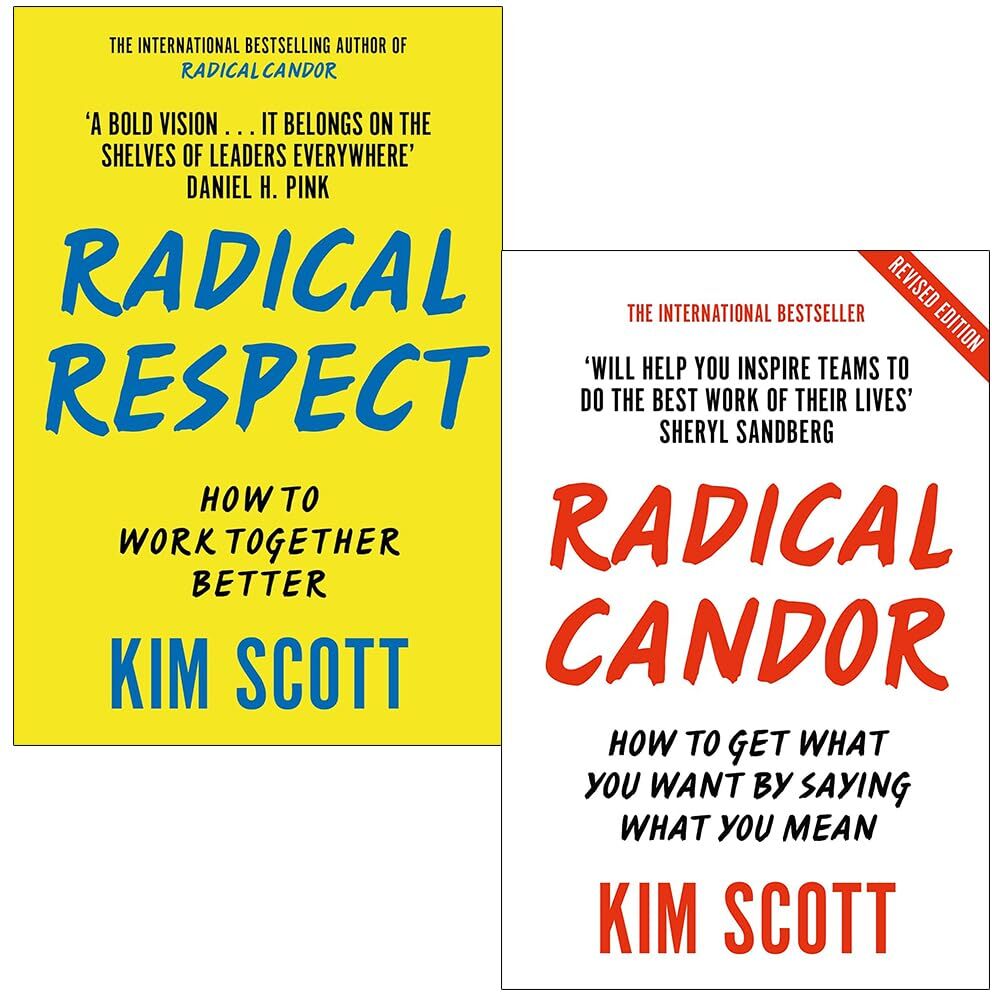
MACMILLAN Kim Scott Collection 2 Books Set Radical Respect & Radical Candor – Leadership, Communication & Workplace Culture GuidesThe Kim Scott Collection – 2 Books Set brings together two transformative leadership bestsellers: Radical Respect and Radical Candor. Written by acclaimed workplace expert Kim Scott, these books offer practical, honest, and empowering guidance for building stronger teams, better communication, and healthier workplace cultures. In Radical Candor, Scott introduces her now-famous framework:Care Personally + Challenge Directly.Learn how to deliver feedback effectively, build trust, and lead with clarity without becoming overly harsh or avoiding difficult conversations. In Radical Respect, Scott expands on inclusion, fairness, accountability and anti-bullying frameworks—showing readers how to build workplaces rooted in dignity, psychological safety, and genuine respect. Together, these books provide a complete roadmap for leaders, managers, HR teams and anyone who wants to communicate better, lead with courage, and create workplaces where people thrive.6,99 £*Shipping: 2,99 £Secure redirect to the provider
-
Is sentimentality artificial sadness?
Sentimentality can be seen as artificial sadness because it often involves an exaggerated or insincere display of emotions. It is a sentimental response that may not truly reflect genuine feelings or experiences. While sentimentality can evoke emotions similar to sadness, it is often contrived and lacks the depth and authenticity of real sadness. Ultimately, sentimentality can be considered a superficial or manufactured form of emotional expression. **
-
What do you think about sentimentality?
Sentimentality can be a beautiful and touching aspect of human emotion, allowing us to connect with our past and cherish meaningful moments. However, it is important to strike a balance and not let sentimentality cloud our judgment or hold us back from moving forward. It's okay to feel nostalgic and sentimental, but it's also important to stay grounded in the present and look towards the future with clarity and purpose. **
-
How can I change my sentimentality?
To change your sentimentality, you can start by practicing mindfulness and being present in the moment. This can help you become more aware of your emotions and how they influence your sentimental attachments. Additionally, you can try to challenge your sentimental thoughts and beliefs by questioning their validity and considering alternative perspectives. Engaging in activities that promote emotional resilience, such as journaling, therapy, or self-reflection, can also help you develop a healthier relationship with your emotions and sentimental attachments. **
-
How can one stop incredible sentimentality?
One way to stop incredible sentimentality is by practicing mindfulness and staying present in the moment. By focusing on the present rather than dwelling on past memories or emotions, one can prevent themselves from becoming overly sentimental. It can also be helpful to challenge and reframe overly sentimental thoughts by questioning their validity and considering alternative perspectives. Engaging in activities that promote emotional regulation, such as exercise or journaling, can also help manage intense sentimental feelings. **
Similar search terms for Sentimentality
-
How can one turn off incredible sentimentality?
One way to turn off incredible sentimentality is to practice mindfulness and focus on the present moment rather than getting lost in nostalgic or emotional thoughts. It can also be helpful to challenge and reframe overly sentimental thoughts by questioning their validity and considering alternative perspectives. Engaging in activities that require logical thinking or problem-solving can help shift focus away from emotions. Additionally, seeking support from a therapist or counselor can provide tools and strategies for managing overwhelming sentimentality. **
-
Is keeping childhood toys nostalgia or sentimentality?
Keeping childhood toys can be both nostalgia and sentimentality. Nostalgia is the longing for the past and the happy memories associated with it, so keeping childhood toys can serve as a way to hold onto those memories and feelings. On the other hand, sentimentality is the emotional attachment to an object, so keeping childhood toys can also be a way to hold onto the sentimental value and emotional connection to those items. Ultimately, it can be a combination of both nostalgia and sentimentality that drives people to keep their childhood toys. **
-
Does globalization destroy culture?
Globalization can have both positive and negative impacts on culture. On one hand, it can lead to the spread of ideas, values, and traditions across borders, promoting cultural exchange and understanding. However, it can also result in the homogenization of cultures, as Western ideals and consumerism become dominant, potentially eroding local traditions and identities. Ultimately, the impact of globalization on culture depends on how it is managed and whether efforts are made to preserve and celebrate diverse cultural expressions. **
-
What impact does globalization have on the loss of culture?
Globalization can lead to the loss of culture by promoting the spread of dominant global cultures, which can overshadow and diminish the uniqueness of local traditions and customs. As globalized media, technology, and consumer products become more widespread, they can erode traditional cultural practices and values. Additionally, the homogenizing effect of globalization can lead to the loss of indigenous languages, traditional knowledge, and cultural diversity. This can result in a loss of identity and a weakening of cultural heritage for many communities around the world. **
* All prices are inclusive of VAT and, if applicable, plus shipping costs. The offer information is based on the details provided by the respective shop and is updated through automated processes. Real-time updates do not occur, so deviations can occur in individual cases. ** Note: Parts of this content were created by AI.